Hoodoo Technology is ancestral honorings
Research in Ancestral Memory & Black Futurism
Leticia R. Benson is a Houston-based artist and cultural archivist whose research centers ancestral memory, Hoodoo technology, and Black futurist thought. Her work is built through study, writing, and object-making, where research becomes physical, wearable, and usable.
The BLOOD LIBRARY Living Archive
At the center of this practice is The BLOOD LIBRARY, an ongoing living archive developed through research, ritual practice, and narrative construction. The archive holds written transmissions, symbolic systems, and material forms that function as records of lineage, survival, and protected knowledge. It is not presented as folklore or nostalgia. It is treated as method.
Hoodoo Technology as Applied Knowledge
Benson approaches Hoodoo as technology, a system shaped under pressure that carries strategies for protection, movement, care, and continuity. Research here includes observation, documentation, and the building of tools. Some of those tools take form as ritual garments, including aprons and skirts, along with texts, instructions, and other offerings.
Anthropology and Dramatic Writing Foundations
Her research practice is informed by formal training in anthropology (BA, University of Oklahoma) and dramatic writing (MFA, NYU Tisch School of the Arts). That foundation supports a research method that blends cultural study with storytelling, performance logic, and world-building. The result is work that reads as archive and functions as practice.
The Archive Is Active
The work held here does not resolve into conclusions. Research takes form through garments, texts, and constructed systems that remain in use. The archive is not static. It is carried forward through contact, stewardship, and continued making. What appears on this site reflects a practice that remains open, guarded, and alive.
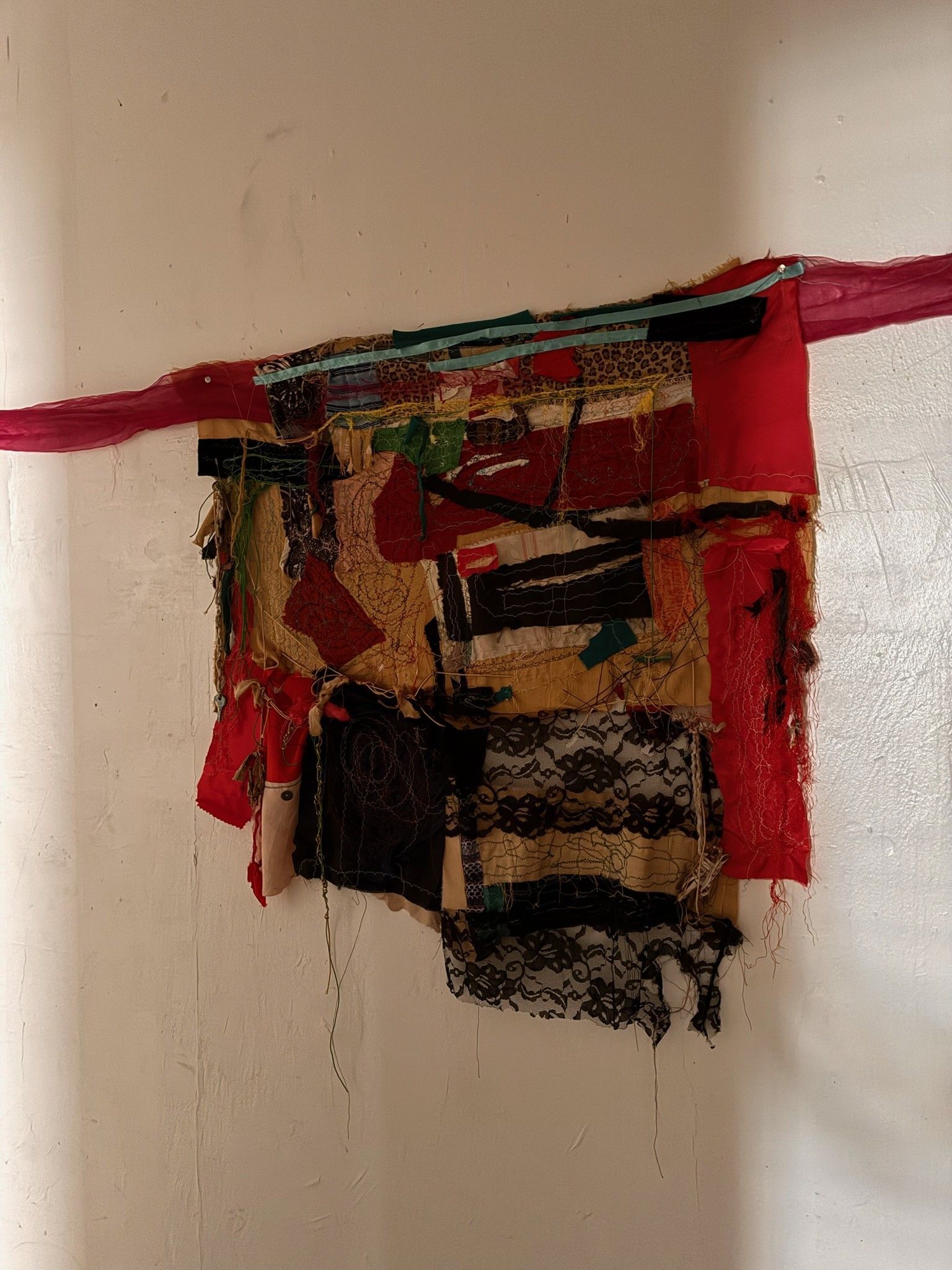
Ancestral Garments and Ritual Objects
The garments shown here are not decorative objects. They are constructed forms developed through research, ritual practice, and use.
Aprons and skirts function as wearable archives. Each piece carries symbolic language, protection, and lineage embedded into its making. They are created individually, without repetition, and intended to be lived with rather than displayed.